
Ankylosing Spondylitis: Symptoms, HLA-B27, Treatment & Exercises
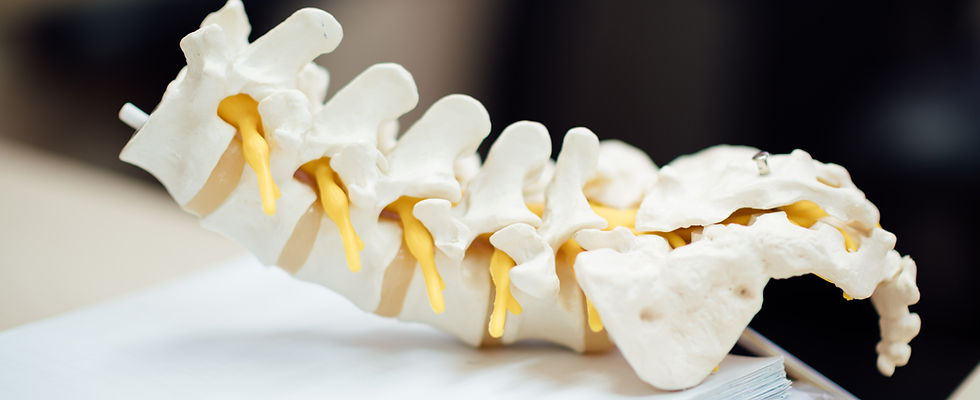
Ankylosing spondylitis (AS) is a chronic inflammatory illness that usually affects the spine but may also affect other joints. It can cause significant pain and stiffness, particularly in the lower back and buttocks, and in severe cases can lead to spinal fusion and loss of mobility. AS is a type of arthritis, but it differs from other forms of arthritis in several important ways. The causes, symptoms, diagnosis, and management of ankylosing spondylitis will be discussed further below in this article in detail for better understanding.
What Causes Ankylosing Spondylitis
Ankylosing spondylitis (AS) is a type of autoimmune disease that affects the spine and other joints. While the precise aetiology of AS is unknown, research has found numerous elements that contribute to the disease’s progression.
A genetic mutation of the human leukocyte antigen-B gene (HLA-B) is one of the principal causes of AS, affecting around 95% of people with AS. This gene mutation results in the synthesis of a protein known as HLA-B27, which raises the likelihood of getting AS. However, not everyone who has a mutant HLA-B gene develops AS, and some people with AS do not have the HLA-B27 gene.
A mix of genetic and environmental factors contribute to AS.
Around 95% of patients with AS have a variant of the HLA-B gene that produces a protein called HLA-B27, which increases their risk of the condition.
The majority of people with a mutant HLA-B gene do not acquire AS, and 80% of children who inherit the gene from an AS parent do not develop the condition.
Besides from genetics, some medical problems, such as Crohn’s disease, ulcerative colitis, and psoriasis, may enhance the risk of having AS.
About 60 genes have been related to the onset of AS, demonstrating the complexities of the condition’s underlying causes.
Further research is required to completely understand the underlying mechanisms and causes of AS.
What Does a Positive HLA-B27 Test Mean?
If you’ve been told you’re HLA-B27 positive, it’s natural to worry but the result needs context, and on its own it does not mean you have ankylosing spondylitis.
HLA-B27 is a normal gene variant carried by a meaningful percentage of the healthy population. Here’s the key relationship: while around 95% of people with AS carry HLA-B27, the reverse is not true the large majority of people who carry HLA-B27 never develop AS or any related condition. The gene raises risk; it does not confirm disease.
A diagnosis of AS is never made on the blood test alone. It requires the whole clinical picture: your symptom pattern (particularly inflammatory back pain — see the next section), your age at onset, physical examination of spinal movement and chest expansion, and imaging (X-ray or MRI of the sacroiliac joints) showing the characteristic changes. HLA-B27 is one supporting piece, not the verdict.
If you’re HLA-B27 positive with back symptoms: the useful next step is to establish whether your back pain fits the inflammatory pattern. If it does, a rheumatology referral confirms diagnosis, and physiotherapy begins early to protect your spine and posture early intervention is one of the strongest predictors of a good long-term outcome. If your pain is mechanical rather than inflammatory, the positive gene may simply be incidental.
What are Symptoms of Ankylosing Spondylitis
Pain and stiffness in the lower back and buttocks are the most prevalent symptoms of ankylosing spondylitis. This pain is typically worse in the morning and after periods of inactivity, and may improve with exercise. In extreme situations, the discomfort may be persistent and make it difficult to perform daily tasks such as sitting or standing for extended periods of time.
Ankylosing spondylitis symptoms can vary greatly from person to person, and some people may not experience or feel any symptoms at all. Common ankylosing spondylitis symptoms include:
Pain and stiffness in the lower back: This is the most common symptom of ankylosing spondylitis. The pain and stiffness are usually worse in the morning and after periods of inactivity.
Pain and stiffness in other parts of the body: In addition to causing pain and stiffness in the spine, ankylosing spondylitis can also affect the hips, shoulders, and knees.
Fatigue: Fatigue is a common symptom in AS and may be brought on by the body’s inflammation.
Eye inflammation: Eye inflammation brought on by ankylosing spondylitis can result in pain, sensitivity to light, and redness in the eye.
Reduced lung capacity: Lung inflammation brought on by ankylosing spondylitis may result in a reduction in lung capacity and difficulty breathing.
Is It Ankylosing Spondylitis or Ordinary Back Pain?
Most back pain is mechanical and settles. Ankylosing spondylitis causes a distinct kind of back pain – inflammatory back pain – and telling the two apart early matters, because AS responds best when treatment starts before the spine stiffens. Inflammatory back pain typically shows several of these features:
- Onset before age 40 — often in the late teens or twenties
- Gradual, not sudden — it creeps in over weeks or months rather than after a single event
- Morning stiffness lasting more than 30 minutes — the back is worst on waking and loosens through the day
- Improves with movement, worsens with rest — the opposite of most mechanical back pain, which eases with rest
- Night pain — waking in the second half of the night with back pain and stiffness
- Alternating buttock pain — pain that shifts from one side to the other, reflecting sacroiliac joint involvement
- Good response to anti-inflammatory medication
Mechanical back pain, by contrast, usually follows a strain or posture, eases with rest, doesn’t cause prolonged morning stiffness, and isn’t linked to the other body-wide features of AS (fatigue, eye inflammation, reduced chest expansion).
If several of the inflammatory features fit you — especially in your twenties or thirties with months of morning-stiff back pain that eases as you move — it’s worth getting assessed rather than assuming it’s a routine bad back. We can screen the pattern and, where appropriate, guide you toward rheumatology confirmation.
Diagnosis of Ankylosing Spondylitis
Ankylosing spondylitis can be difficult to diagnose since its symptoms can resemble those of other kinds of arthritis. However, there are several tests and exams that can help to confirm a diagnosis.
Doing a physical examination and evaluating the patient’s spine and other joints’ ranges of motion are the first steps in the diagnosis of AS. In addition, blood tests to check for the HLA-B27 gene may be done and the patient’s family history of AS may be discussed. Furthermore useful in the diagnosis of ankylosing spondylitis are imaging studies. A magnetic resonance imaging (MRI) scan can detect inflammation in the soft tissues around joints, while X-rays can detect abnormalities in the spine’s and other joints’ bones.
Treatment of Ankylosing Spondylitis
While there is no cure for ankylosing spondylitis, there are several treatments that can help to manage the symptoms and slow the progression of the disease. The most common treatments include:
Medication Treatments
Nonsteroidal anti-inflammatory drugs (NSAIDs): NSAIDs are the first-line treatment for ankylosing spondylitis. They help to reduce pain and inflammation, and they can also help to improve stiffness and mobility. Common NSAIDs include ibuprofen, naproxen, and celecoxib.
Disease-modifying antirheumatic drugs (DMARDs): DMARDs can help to slow down the progression of the disease by suppressing the immune system. Common DMARDs used to treat ankylosing spondylitis include sulfasalazine and methotrexate.
Biologics: Biologics are a type of medication that target specific components of the immune system. They can be very effective in treating ankylosing spondylitis, particularly in patients who have not responded well to other treatments. Common biologics used to treat ankylosing spondylitis include adalimumab, etanercept, and infliximab.
Corticosteroids: Corticosteroids are powerful anti-inflammatory drugs that can be used to control symptoms of ankylosing spondylitis. They are usually given in low doses and for short periods of time to avoid side effects.
Non-Medication Treatments
Physical therapy: Physical therapy can help to improve mobility, reduce pain, and prevent deformity in patients with ankylosing spondylitis. Physical therapy may include exercises to improve posture, stretching, and strengthening exercises.
Occupational therapy: Occupational therapy can help to improve a patient’s ability to perform daily activities, such as dressing and grooming. It may involve the use of assistive devices, such as canes or walkers.
Heat and cold therapy: Heat therapy can help to reduce stiffness and improve mobility, while cold therapy can help to reduce pain and inflammation.
Surgery: In rare cases, surgery may be necessary to correct deformities or alleviate pressure on the spinal cord or nerves.
Physiotherapy for Ankylosing Spondylitis: Posture, Breathing & Chest Expansion
Medication controls the inflammation of AS; physiotherapy protects what the inflammation threatens — your posture, spinal mobility, and breathing capacity. It is not an optional add-on. International guidelines place regular exercise and physiotherapy at the core of AS management, because they influence the one thing medication cannot: the shape and function your spine settles into over the years.
At Dr. Sahil’s Advanced Physiotherapy Clinic, AS management focuses on four goals:
1. Preserving posture. Untreated AS tends to pull the spine into a stooped, forward-flexed posture as segments stiffen. A structured programme of extension exercises, postural retraining, and daily positioning habits works directly against that drift — the aim is that if your spine does stiffen over time, it stiffens in an upright, functional position rather than a bent one.
2. Maintaining spinal and hip mobility. Daily mobility work for the spine, hips, and shoulders keeps range available and slows stiffening. Consistency matters more than intensity here — a little every day beats an occasional hard session.
3. Protecting breathing and chest expansion. This is where AS is under-treated almost everywhere. AS can involve the joints between the ribs and spine, reducing chest expansion and lung capacity over time. As a clinic with a specialisation in cardiorespiratory rehabilitation, we place particular emphasis on this: chest-expansion exercises, thoracic mobility work, and breathing training to preserve lung function and ribcage movement. Protecting your breathing is as important as protecting your back, and it is routinely overlooked.
4. Managing pain and fatigue. Manual therapy, hydrotherapy where available, heat, and graded activity help manage the day-to-day symptom load and keep you exercising — which is itself therapeutic in AS.
Every programme is tailored: we assess your current spinal mobility, posture, and chest expansion, build a plan around your stage and goals, and progress it as you go. For patients who can’t attend in person, an online consultation lets us assess your movement, teach the core exercises, and set up a home programme you can sustain.
Book an assessment: +91 90297 31346
5 Home exercise for Ankylosing Spondylitis
Some general exercises that may be recommended by a physiotherapist to help manage the symptoms of ankylosing spondylitis include:
Chest stretch: Stand in a doorway with your arms at your sides, and bend your elbows to a 90-degree angle. Place your forearms on either side of the door frame, and step forward until you feel a stretch in your chest. Hold for 20-30 seconds and repeat several times.
Wall slides: Stand with your back against a wall, with your feet hip-width apart and a few inches away from the wall. Slowly slide down the wall, bending your knees and keeping your back straight. Hold for a few seconds, then slide back up.
Pelvic tilt: Lie on your back with your knees bent and feet flat on the floor. Tighten your stomach muscles and tilt your pelvis upward, flattening your lower back against the floor. Hold for a few seconds, then release.
Seated spinal twist: Sit on a chair or stool with your feet flat on the floor. Twist your upper body to the right, holding onto the back of the chair or placing your right hand on your right knee. Hold for a few seconds, then twist to the left.
Leg lifts: Lie on your back with your legs straight out in front of you. Lift one leg a few inches off the ground and hold for a few seconds, then lower it back down. Repeat with the other leg.
At Dr. Sahil’s Advanced Physiotherapy Clinic, patients with ankylosing spondylitis can receive specialized treatment to manage their symptoms and improve their quality of life. The clinic offers a range of services, including exercise therapy, manual therapy, electrotherapy, and hydrotherapy, to address the various needs of their patients.
Patients can also benefit from personalized treatment plans that are tailored to their unique needs and preferences. The clinic’s team of experienced physiotherapists work closely with each patient to understand their condition, develop a comprehensive treatment plan, and monitor their progress to ensure optimal outcomes.
In addition to its high-quality care, Dr. Sahil’s Advanced Physiotherapy Clinic is known for its warm and welcoming environment, which helps patients feel at ease and supported throughout their treatment journey. With its commitment to excellence and patient-centered care, Dr. Sahil’s Advanced Physiotherapy Clinic is a leading choice for ankylosing spondylitis treatment in Thane and beyond.
No. Around 95% of people with AS carry HLA-B27, but most people who carry the gene never develop AS. A positive test raises risk; it doesn’t confirm disease. Diagnosis needs the full picture — inflammatory symptom pattern, examination, and imaging of the sacroiliac joints.
NSAIDs (such as naproxen) are the accepted first-line medication for controlling AS pain and stiffness. When NSAIDs aren’t enough, biologic medications (TNF and IL-17 inhibitors) are used for more active disease. Medication choice is made and prescribed by a rheumatologist — physiotherapy then works alongside it to protect posture, mobility, and breathing. We don’t prescribe; we complement medical management.
There is no cure, but AS is very manageable. With modern medication to control inflammation and consistent physiotherapy to preserve posture and mobility, many people live full, active lives. Outcomes are strongly linked to starting treatment early and keeping up regular exercise.
Avoid high-impact, jarring activities and heavy spinal flexion (repeated forward bending or loaded crunches) during flares, and any exercise that provokes sharp pain. Contact sports carry fracture risk in a stiffened spine and should be discussed with your clinician. The safest programme is one prescribed for your stage — extension, mobility, and breathing work form the backbone of it.
Yes. Medication controls inflammation but doesn’t determine the posture your spine settles into or preserve your chest expansion — exercise does. Regular physiotherapy is considered a core part of AS treatment worldwide, not an optional extra.