
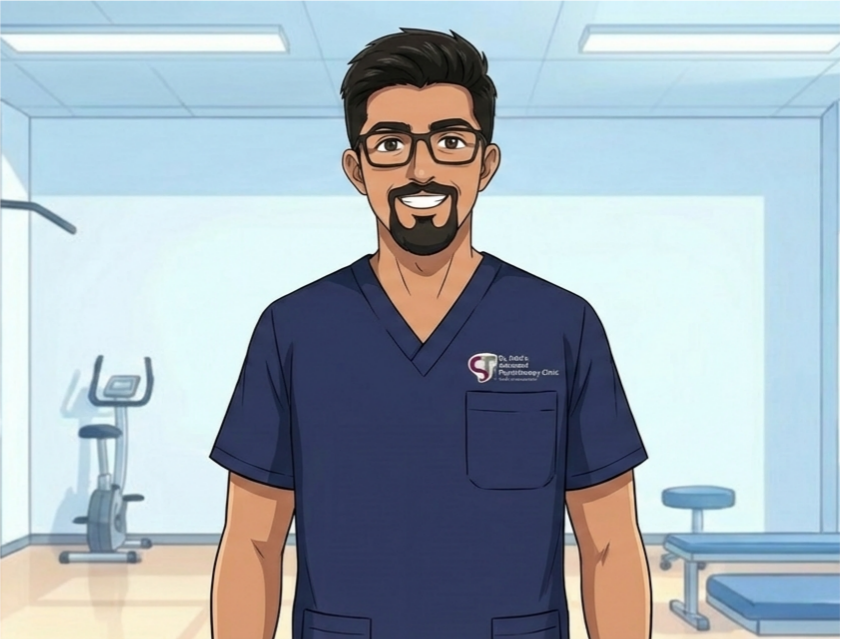
Choosing a career in healthcare is rarely a purely financial decision; it is almost always driven by a desire for human connection, impact, and a fascination with how the human body functions. Within the medical landscape, few professions offer the unique blend of diagnostic freedom, emotional reward, and entrepreneurial scalability as physical therapy.
While doctors frequently see patients during brief, high-stress consultations and surgeons interact with individuals who are anesthetized, physical therapists (PTs) occupy a distinct, highly rewarding space. We spend hours with our patients over weeks or months, guiding them from vulnerable states of pain and immobility back to full strength, performance, and independence.
But what does a career in physical therapy actually look like in the modern era? Beyond the deep emotional satisfaction of helping someone walk again or return to competitive sports, the profession has evolved into a powerhouse of clinical autonomy, diverse career pathways, and substantial financial potential. Furthermore, seismic legislative shifts—such as the implementation of the National Commission for Allied and Healthcare Professions (NCAHP) Act—are fundamentally rewriting the rules of the game, transforming the profession into a highly protected, prestigious, and legally secure cadre.
This exhaustive guide strips away the generic career advice to explore the true, multifaceted benefits of being a physical therapist in today’s rapidly evolving healthcare ecosystem.
1. The Core Human Reward: Witnessing the Kinetic Resurrection
At the heart of the physical therapy profession lies a psychological reward that few corporate or desk-bound jobs can replicate: the absolute measurability of human progress.
Musculoskeletal and neurological dysfunctions don’t just cause physical pain; they strip away a person’s dignity, autonomy, and identity. A grandmother who cannot lift her grandchild due to a frozen shoulder, a software engineer crippled by chronic discogenic back pain, or a runner sidelined by a complex ligament tear—all of them experience a profound loss of quality of life.
As a physical therapist, you are the architect of their recovery. The clinical relationship is fundamentally collaborative. You are not simply prescribing a pill and sending them away; you are educating them on tissue mechanics, breaking down movement fears, and watching their confidence rebuild session by session.
The Professional Reality: There is an undeniable dopaminergic hit when a patient who arrived at your clinic in a wheelchair or on crutches walks out on their own two feet, completely pain-free, because of a mechanical strategy you designed. This deep human connection builds a massive reservoir of professional gratitude and community goodwill that protects against the classic “burnout” seen in more corporate, detached industries.
2. Deep Clinical Autonomy and the Diagnostic Puzzle
Many outsiders mistakenly view physical therapists as technicians who simply execute a doctor’s orders. In reality, modern physical therapy operates with immense clinical autonomy.
Through direct access—which is increasingly becoming the global standard—patients frequently bypass general practitioners to consult a physical therapist first for movement-related pain. This positions the PT as a primary diagnostic filter. When a patient presents with radiating leg pain, you are the detective who must differentiate between:
- A true lumbar disc herniation compressing a nerve root.
- Piriformis syndrome trapping the sciatic nerve.
- Sacroiliac joint dysfunction.
- Simple trigger-point referral patterns from the gluteus medius.
                    [PATIENT PRESENTS WITH RADIATING LEG PAIN]
                                       |
                +----------------------+----------------------+
                |                                             |
                v                                             v
     [Lumbar Spine Assessment]                     [Pelvic/Hip Assessment]
        • Discogenic Compression?                     • Piriformis Entrapment?
        • Lateral Recess Stenosis?                     • SI Joint Asymmetry?
This level of responsibility requires an incredibly sharp understanding of functional anatomy, differential diagnosis, and biomechanics. You aren’t just giving out cookie-cutter exercises; you are constantly tweaking leverage vectors, altering tissue load profiles, and applying manual therapy techniques based on how the patient’s body responds in real-time. This intellectual stimulation keeps the daily practice fresh, engaging, and deeply fulfilling even decades into a career.
3. Exploding Global and Local Demand: A Recession-Proof Career
From a purely pragmatic, macroeconomic perspective, there has never been a safer time to enter or scale within the physical therapy space. The profession is insulated against economic downturns and technological automation due to two massive demographic forces:
I. The Global Aging Population
As life expectancy rises, the prevalence of age-related degenerative conditions like knee osteoarthritis, spinal stenosis, osteoporosis, and stroke increases exponentially. According to global health data from the World Health Organization (WHO), approximately 1 in 3 people worldwide are currently living with a health condition that would actively benefit from rehabilitation services. The medical community now widely recognizes that long-term pharmaceutical dependency is unsustainable for managing chronic pain. Physical therapy has stepped into the spotlight as the gold standard for conservative management, preventing unnecessary surgeries, and maintaining geriatric independence.
II. The Posture Epidemic and Modern Lifestyle Dysfunctions
Conversely, the younger demographic is facing an unprecedented crisis of mechanical pain driven by sedentary lifestyles, prolonged remote computer work, and poor ergonomics. “Tech neck,” early-onset cervical spondylosis, and repetitive strain injuries are rampant among corporate professionals. This has opened up a highly lucrative market for preventative physical therapy, ergonomic consulting, and corporate wellness programming. Peer-reviewed research on the Global Need for Physical Rehabilitation underscores that musculoskeletal conditions are now the leading driver of years lived with physical disability worldwide.
4. The Power of Niching Down: Diverse Specialization Pathways
A degree in physical therapy is not a single career path; it is a passport to an array of highly specialized clinical worlds. If you get bored of treating standard lower back pain, you can pivot entirely into a completely different domain of human movement without ever leaving your profession.
The chart below maps out the primary specialization tracks that allow physical therapists to command premium consulting fees and build highly respected professional profiles:
| Specialization Track | Core Clinical Focus | Primary Target Audience | Dynamic Work Environments |
| Sports Physiotherapy | Biomechanical analysis, return-to-play metrics, power production optimization, acute field trauma management. | Elite national/state athletes, running clubs, rugby/cricket teams, high-performance training academies. | Sports stadiums, Olympic training facilities, private performance labs, touring athletic squads. |
| Neurological Rehabilitation | Neuroplasticity facilitation, gait retraining, balance re-education, vestibular rehabilitation. | Patients recovering from stroke, traumatic brain injuries, Parkinson’s disease, Multiple Sclerosis. | Dedicated neuro-rehab centers, specialized hospital wards, home-care concierge services. |
| Orthopedics & Manual Therapy | Spinal adjustments, joint mobilization, advanced dry needling, myofascial release, post-op orthopedic protocols. | Corporate professionals, manual laborers, post-surgical knee/hip replacement patients. | Private musculoskeletal clinics, orthopedic hospital setups, corporate health hubs. |
| Pediatric Physical Therapy | Developmental milestone tracking, neuromuscular retraining, congenital condition management. | Infants, toddlers, and adolescents presenting with cerebral palsy, scoliosis, or motor delays. | Specialized pediatric centers, schools, early intervention clinics. |
5. The Entrepreneurial Frontier: Scalability and Clinic Ownership
Unlike many medical professions where establishing an independent practice requires millions of dollars in heavy hospital infrastructure, operating theatres, or intense diagnostic machinery, physical therapy features an incredibly accessible and lucrative entrepreneurial runway.
Low Overhead, High Margins
To start a high-quality private physical therapy practice, your primary capital investment is your own clinical expertise. The physical infrastructure—a private evaluation room, high-end treatment plinths, basic electrotherapy modalities (like IFT and Ultrasound), and functional training equipment (like resistance rigs, balance tracks, and weights)—can be established at a fraction of the cost of standard medical setups.
Because the business model relies heavily on direct service billing and package plans rather than high-cost inventory consumption, the profit margins in well-managed private physical therapy clinics are exceptionally high.
Digital Content Creation and Global Consulting
The modern physical therapist is no longer bound by the four walls of their local clinic. The rise of social media platforms (Instagram, YouTube) and telehealth has created a massive avenue for global scaling. By producing high-quality content that explains the mechanics of pain, demonstrates correct exercise form, and debunks common fitness myths, a physical therapist can build a massive digital footprint. This audience can easily be monetized through:
- Remote biomechanical video consultations for patients worldwide.
- Sales of structured, digital Home Exercise Programs (HEPs).
- Corporate ergonomics webinars for multinational tech firms.
- Professional mentorship programs for younger students and clinicians.
6. Elevating the Profession: The Impact of the NCAHP Act
For years, one of the primary frustrations shared by physical therapists in certain regions—especially across India—was the lack of a centralized, independent statutory regulatory body. Without a strict legal framework, the profession was frequently lumped under a generic “paramedical” umbrella, exposing it to unregulated educational standards, a lack of standardized licensing, and the rampant proliferation of unqualified individuals (quackery) practicing without real degrees.
The passage and progressive implementation of the National Commission for Allied and Healthcare Professions (NCAHP) Act has completely revolutionized this landscape, marking a historic turning point for the profession.
                          [THE NCAHP ACT LANDSCAPE]
                                      |
         +----------------------------+----------------------------+
         |                            |                            |
         v                            v                            v
[Statutory Autonomy]        [Central & State Registries]   [Elimination of Quackery]
• Disconnects PT from       • Mandatory registration       • Strict legal penalties
  "paramedical" labels       • Legally valid licensing      • Protects the title
• Independent regulation     • Global credential matching   • Restores public trust
What is the NCAHP Act?
The National Commission for Allied and Healthcare Professions Act, 2021 is a comprehensive, federal legislative framework enacted by the Parliament of India to regulate, standardize, and elevate the education and professional services of allied and healthcare professionals. For physical therapists, this means the establishment of dedicated professional councils under a central commission, completely separating our regulatory path from other medical fields while granting us statutory autonomy.
Why the NCAHP Act is a Massive Benefit to Physical Therapists:
- Formal Recognition and Professional Dignity: The Act officially dismantles the archaic classification of physical therapists as mere “assistants” or “technicians.” It legally codifies our status as independent, highly qualified healthcare practitioners with distinct scopes of practice, matching global standards like those in the US, UK, and Australia.
- The Power of Central and State Registries: Under the Act, every legitimate physical therapist holding a recognized degree (BPT, MPT, Ph.D.) must be registered in the Central and State Allied and Healthcare Professionals Registers. Practitioners can track these structural updates and verify data compilation metrics through the official NCAHP Portal launched under the National Health Authority framework. This grants you an official, legally recognized registration number, making it incredibly easy to verify your credentials to hospitals, corporate setups, and global immigration boards.
- The Eradication of Quackery: One of the greatest financial and reputational drains on the profession has been the presence of gym trainers, alternative medicine practitioners, or self-taught massage therapists claiming to perform “physiotherapy.” The NCAHP Act introduces strict penal provisions, heavy fines, and potential imprisonment for any unregistered individual attempting to use the title of a physical therapist or practice physical rehabilitation. This protects your business, preserves market rates, and safeguards public trust.
- Standardization of Educational Standards: By enforcing uniform curricula, faculty benchmarks, and examination structures across all institutions, the Act ensures that the value of your degree remains consistently high. This makes cross-border credential evaluation much simpler, paving a smooth path for international career opportunities and research collaborations.
7. The Work-Life Harmony and Personal Well-Being Blueprint
In many high-paying medical or corporate professions, success comes at a brutal personal cost. Surgeons spend nights on call, corporate lawyers pull 80-hour workweeks under toxic fluorescent lighting, and tech executives face constant systemic stress.
Physical therapy, by contrast, naturally encourages an incredibly healthy, balanced lifestyle.
Predictable, Control-Driven Scheduling
Unless you choose to work in an acute hospital ICU setting, physical therapy is almost entirely an elective, appointment-driven profession. There are no sudden middle-of-the-night emergency surgical calls. As a private practitioner or clinic owner, you retain total control over your schedule. You can curate your hours to match your personal peak energy windows—whether that means running an intense early-morning sports clinic or managing an evening-focused orthopedic practice.
The Active, Health-Positive Work Environment
As a physical therapist, your desk is a dynamic rehabilitation space. You are not trapped sitting in a chair staring at a spreadsheet for 10 hours a day. Your job requires you to move, demonstrate exercises, apply manual therapy, analyze gait paths, and actively engage your own body.
Practicing physical therapy inherently keeps you physically active, structurally aware of your own posture, and deeply connected to fitness and nutrition principles. It is a rare profession where executing your daily work actively contributes to your own longevity and physical well-being.
The Path Forward: Turning a Passion for Movement into a Legacy
Being a physical therapist is far more than just a job; it is a profound journey into the mechanics of human potential. It is a career that scales as you scale. If you love hands-on clinical problem-solving, you can spend your life decoding complex orthopedic cases. If you have an entrepreneurial spark, you can build a multi-branch network of advanced rehabilitation clinics or scale a global digital health brand.
With the legal protections, elevated status, and structural dignity guaranteed by modern frameworks like the NCAHP Act, the profession has shed its historic limitations. It now stands tall as one of the most protected, respected, and economically viable frontiers in modern medicine.
When you choose physical therapy, you choose a career that offers financial security, deep intellectual satisfaction, and the ultimate human privilege: the ability to give someone back the freedom to move, live, and thrive without pain.
Is Physical Therapy the Right Choice for You? A Quick Alignment Checklist
If you are evaluating whether to commit to this professional path, match your personal traits against these core clinical markers:
- The Analytical Thinker: Do you look at a human body in motion and find yourself naturally curious about why a certain joint clicks, how a muscle compensates, or why a posture slumps?
- The Empathetic Communicator: Are you patient enough to listen to a patient’s story, acknowledge their fears of re-injury, and motivate them when their progress feels slow?
- The Active Practitioner: Do you prefer an active, dynamic, hands-on work day over a static, desk-bound corporate job?
- The Autonomous Mindset: Do you want a career where your independent diagnostic reasoning directly dictates the healing pathway of the patient, backed by full legal and statutory recognition?
If these markers align with your personal vision, entering the world of physical therapy is the safest, most rewarding investment you can make in your professional legacy.